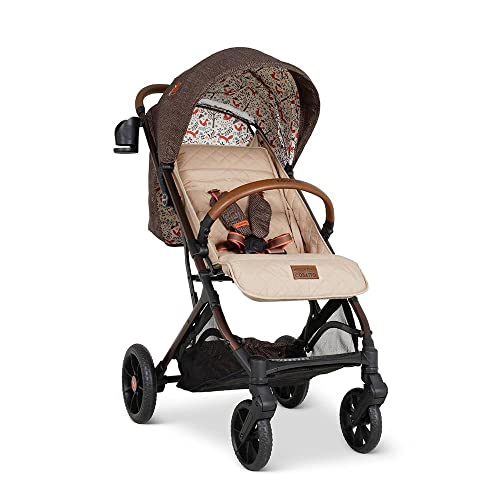
The Ultimate Guide to Baby Prams and Pushchairs: Choosing the Right One for Your Little One
When it pertains to welcoming a new baby into the family, expectant parents are frequently faced with a myriad of choices. One of the most vital options is selecting the ideal baby transport system. Baby prams and pushchairs (strollers) are essential products that use convenience, comfort, and security for both parents and their kids. This extensive guide will assist you browse the world of baby prams and pushchairs, checking out the different types, features, and ideas for making the very best option for your family.
Comprehending Baby Prams and Pushchairs
Before diving into the specifics, it's vital to know the difference in between a pram and a pushchair. Here's a brief overview:
| Term | Description |
|---|---|
| Baby Pram | A traditional baby stroller that is designed for newborns and really young babies. Prams usually have a flat, reclining seat and are constructed for convenience. |
| Pushchair | A more versatile stroller ideal for older babies and young children. Pushchairs frequently have adjustable seating positions and are generally more lightweight. |
Both options use distinct benefits, and comprehending their functions will help you make the ideal choice.
Types of Baby Prams and Pushchairs
The market uses a variety of alternatives when it pertains to baby prams and pushchairs. Here are a few of the most common types:
1. Traditional Prams
- Best for: Newborns
- Functions: Fully flat reclining position, large wheels for a smooth trip, frequently with a retro style.
- Pros: Luxurious and comfy for babies, great for strolls in the park.
- Cons: Bulky and heavy, not perfect for city living.
2. Umbrella Strollers
- Best for: On-the-go parents
- Features: Lightweight and compact, easy to fold.
- Pros: Super portable, ideal for travel and quick trips.
- Cons: Lacks cushioning and adjustability; may not appropriate for babies.
3. Travel Systems
- Best for: Parents who desire adaptability
- Functions: Includes a cars and truck seat that can be clicked onto the stroller frame.
- Pros: Convenient for transitioning from vehicle to stroller, saves cash as it consists of both items.
- Cons: Can be heavier, and some models may not be as resilient.
4. All-Terrain Strollers
- Best for: Active families
- Features: Larger wheels and durable frame for off-road abilities.
- Pros: Great for rough surfaces, jogging, and outside experiences.
- Cons: Heavier and bulkier than standard designs.
5. Convertible Strollers
- Best for: Growing families
- Functions: Can be transformed from a single stroller to a double stroller.
- Pros: Adapts to your family's requirements, accommodating several children.
- Cons: Often pricier and can be heavy.
Secret Features to Consider
When selecting a baby pram or pushchair, it is essential to focus on a number of key functions:
| Feature | What to Look For |
|---|---|
| Security Features | Five-point harness, durable frame, and safety brakes. |
| Comfort | Padding, adjustable leg rests, and reclining seats for different positions. |
| Maneuverability | Swivel wheels for simple navigation, specifically in congested spaces. |
| Storage Space | A large undercarriage basket for carrying baby fundamentals. |
| Foldability | Easy folding mechanism for transportation and storage benefit. |
| Durability | High-quality materials that can endure wear and tear in time. |
Tips for Choosing the Right Pram or Pushchair
- Examine Your Lifestyle: Consider how you'll be using the stroller. Do you live in a city with narrow walkways? Or are you more likely to stroll through parks and nature routes?
- Safety First: Always check for security accreditations and features that guarantee your kid's security during trips.
- Test Drive: If possible, take the stroller for a test drive. Push it around the store or outside area to evaluate maneuverability and comfort.
- Flexibility Matters: Opt for a model that can grow with your kid. Convertible strollers or travel systems that accommodate infants to toddlers are frequently good financial investments.
- Spending plan Wisely: Quality matters, but make sure that the item fits within your spending plan. There are excellent options available in various cost ranges.
Regularly Asked Questions (FAQ)
1. At what age can I begin using a pushchair for my baby?
- A lot of pushchairs can be used when your baby is around 6 months old. Nevertheless, Prams And Pushchairs enable making use of an infant automobile seat from birth.
2. How do I clean my baby pram or pushchair?
- The majority of models include detachable and washable fabrics. Routinely wipe the frame and wheels with a damp fabric, and avoid utilizing extreme chemicals.
3. Are more pricey pushchairs worth it?
- More pricey models often feature advanced features, resilience, and remarkable safety requirements. They may deserve the financial investment depending on your way of life requires.
4. Do I require a travel system?
- If you frequently travel by cars and truck, a travel system may be useful as it permits for simpler shifts from the safety seat to the stroller.
5. The length of time will I need a baby pram or pushchair?
- A lot of strollers accommodate children as much as 50 pounds. Depending on the model and your child's development rate, you might use it well into their young child years.
Picking the best baby pram or pushchair needs mindful consideration of your way of life, choices, and your child's needs. With a lot of alternatives offered, parents can discover a model that fulfills their household's requirements. Whether it's a standard pram for leisurely strolls, an umbrella stroller for quick journeys, or a travel system for versatility, the best option can improve your parenting journey, making getaways with your youngster enjoyable and worry-free. Pleased walking!